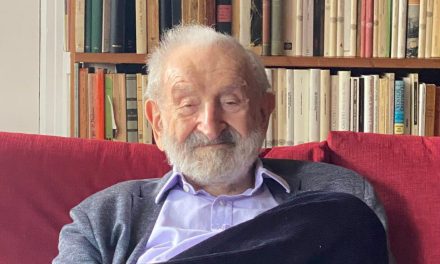
REINTERPRETING HERITAGE IN THE NEW WORLD. Leonardo Ferragamo, the fifth son of Salvatore and Wanda Ferragamo, is the Chairman of Salvatore Ferragamo S.p.A. since 2021. He studied economics at the University of Lausanne (UNIL), then at Columbia University. He started working for Ferragamo in menswear, and created Ferragamo Men Division. Today, he is also President of the Lungarno Collection of hotels in Florence, Rome and Milan, and CEO of Palazzo Feroni Finanziaria, one of the Ferragamo family’s two holding companies, which operates in real estate and other diversified businesses. Leonardo Ferragamo is also President of Sawa SRL, which has to do with his personal love of sailing boats and in particular the Nautor Swan yachts, to ensure whose future on August 1st 2024 he sold to Sanlorenzo, a worldwide leader in the production of made-to-measure yachts.
You can listen to the podcast of this interview here.
Leonardo Ferragamo, how do you manage so many important and demanding roles?
Some of them are not so time consuming and come from activities that I handled in the past, like Palazzo Strozzi, and while I’m honorary chairman of the Altagamma Foundation which is an association of Italian luxury brands these are things that I have done more at institutional level in previous years and with which I keep in touch and try to support some of their activities. I am mostly committed to Salvatore Ferragamo, which I have taken on three years ago as non-executive chairman, and the real estate and hotels.
What is the Lungarno Collection of hotels?
We added the hotel activity into our family in the second half of the 1990s. Florence lacked a proper hospitality proposition, and we wanted to contribute to what Florence could offer to its many foreign visitors and also to express what we had learned in the fashion activity in another sector that is very close to us. The two activities can influence one another. I have been managing this for the last 30 years and it’s not a huge activity. We have six hotels in Italy, and Milano was a significant addition a year and a half ago. Again, there is a proper CEO, a proper structure and a lovely and qualified team to manage them.
“Heritage is one side of a river from which to build the bridge into the future.”
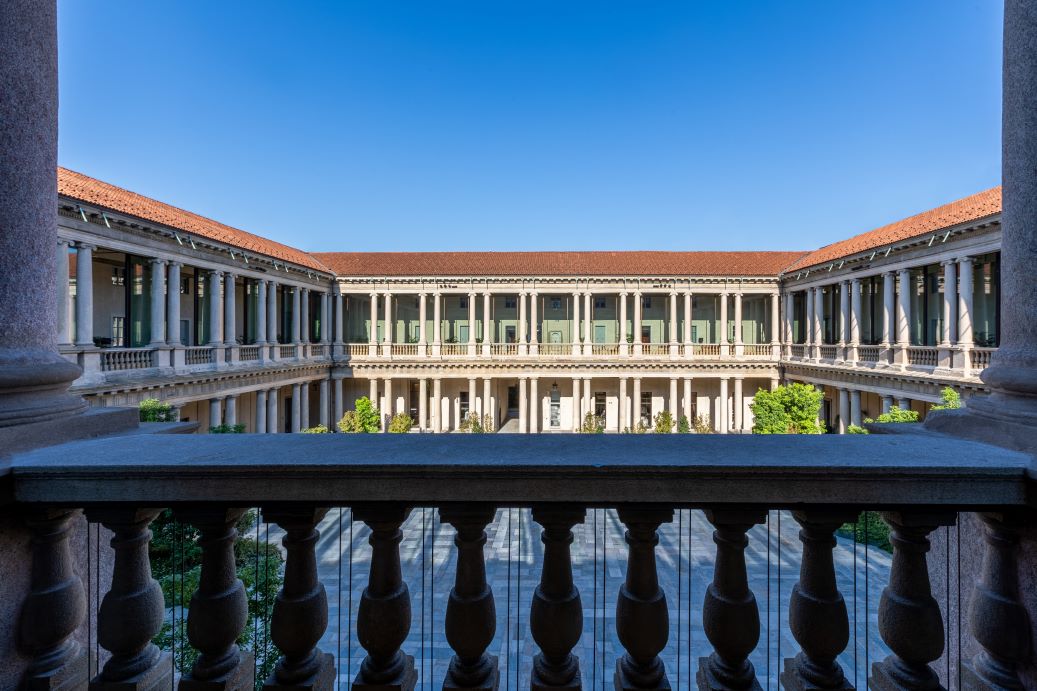
Leonardo Ferragamo: Portrait Milano Hotel – Lungarno Collection
Leonardo Ferragamo, your hotel Portrait Milano is in a very old and historically important seminary building of the Archbishop of Milan that was created by the famous saint Carlo Borromeo?
Yes, the seminary in the Corso Venezia had always been a place devoted to religious activities. In the 1900s it was rented to different people and didn’t have a mission to follow any longer. We discovered this by chance when a friend of ours presented it to us and we were highly impressed by the beauty of this place, the structure, the architecture, and the fact that it had no real destiny for the future. So we started a long process discussing with the church, assuring them that we would do something they could be proud of, and it took us nine years from when we found it to when we first opened it in late 2022. One of the things we’re very proud of having done is not having closed this “empire”. Often hotels are only open for the people that are going to the hotel or its restaurants, but this place is so central and so beautiful that it could not be closed. We opened it out like a gift to the Milanese and the visitors of that beautiful city, and that created an incredible reaction because we and everybody realised that for 500 years no one actually knew this place. It was a discovery for the great majority, if not all of the Milanese. Right in the very centre of that part of the city, but no one actually knew about it.
Ferragamo has its HQ in Florence and elegant hotels elsewhere in Italy, but it was in America that your father started and he opened his first shop in 1923 in Hollywood. Have you kept a balance between Florence and the United States?
Yes. One of the many lovely things about my father was to be driven very much from his feeling, from his vision, from what he had at heart. When he started to become successful in America he wanted to never compromise in quality. Unable to find the same quality he wanted to deliver from the cobblers in America, he started this dream of coming back to Italy to establish his production here. By working with the artisans he had known in his early days and exporting to America he was the pioneer of Made in Italy in fashion, doing this before anybody else. On top of this, when he came to Italy he visited various cities and he chose Florence because he was so impressed with the beauty of the city, with the architecture, with the culture, the history, and – last but not least – the quantity of craftsmen and ability that was here. I personally and my family cannot thank him enough for having chosen this magnificent city of Florence as the base for the company and for our families.
In Italy your father also found his young wife Wanda. When he sadly passed away rather young at the age of 60 she took over the business, and with the help of your brothers, yourself and your sisters, she became a great businesswoman in the world of fashion?
My mother was a phenomenal lady, driven from heart, intelligence, passion and incredible personality. She was a widow at 38 years old, she had never worked before and the oldest kid was Fiamma, who was 18, and Giovanna, who was 17. They helped her and with incredible courage she decided to continue my father’s work and to wait until everyone in the family – the youngest was Massimo, then two and a half years old – would have reached an age where we could have entered in the company. Because of the love and appreciation she had for my father, she felt it as a mission to transfer to us – who had lived with him a very little time – so many of the things he had done. She insisted on having a proper archive to give a proper space to everything he had done in his life. Between shoes, lasts, designs, buttons and so forth the archive has 15,000 different pieces, and with the support of Fiamma was turned into a very active museum. Exhibitions have travelled around the world and it’s always present in our headquarters. I cannot tell you how much this has meant for us and for the many people that visit us. It has been the place of reference to get inspiration, not only from the products and the designs themselves, but also from the great examples of life that are represented there.
Even if the now almost 100-year-old company listed on the stock market in 2011, the family still own 65% of the Ferragamo Group. Three years ago you succeeded your eldest brother Ferruccio as chairman, at a strange moment because like everybody else in the world of luxury goods you were exposed to a downturn in China. One of the actions you took was to hire Maximilian Davis as creative director?
In these last two years we wanted to go in a stronger, better-based direction, expressing what Ferragamo should be going forward. There’s been a lot of work done so far. We selected Maximilian Davis who was 26 when he joined. He had never been a creative director, but we had seen what he was doing in his own collections and he was definitely very elegant, very simple, perfect lines. We were impressed, so we started working with him on a project for Ferragamo before we hired him. We very much appreciated his sensitivity to heritage, to taking significant elements from the past and reinterpreting them in the new world.
Such as for example the new Ferragamo logo you introduced in 2022?
Yes, the new logo and the new colours are not new inventions, they come from the past. It was very sensitive to take the name Salvatore away from the logo after so many years, because we thought that we owed it to our father, but by going in the archives we found out so that the great majority of the time when he was making logos – and he made a lot of them – he would use only the Ferragamo name. We’re going back to the origin in a way, and the logo that we identified has the same font as the first real logo that he did, which was created by Lucio Venna, a great artist of the 30s. It is inspired from that same logo, so there is a continuity element while you are going through modernity. Likewise we needed to change the traditional too classic red with a new one, and we chose the exact same red from the shoes that my father did for Marilyn Monroe in 1950. I could go on and on with these examples because heritage is a lovely privilege to have. It is a blessing, but you have to use it properly. Heritage is one side of a river from which to build the bridge into the future.
“I want to make sure that the long-term future of a company and a brand like Swan, loved by so many people around the world, has a route over perennity, supported by a very credible group so as to launch it in the long-term future.”
Leonardo Ferragamo, what product is most important for Ferragamo today?
In the two years since Maximilian has been here we have had a lot of appreciation and rewards on the runway with ready-to-wear and accessories. A lot of credibility comes from that, but when you go to what we offer in the shops, the strongest are the handbags. In fact, we have a few styles that are becoming very strong, and that is the fastest growing part.
Including the celebrated Wanda handbag?
That’s something we appreciated a lot from Maximilian. He took the bag that my mother often wore and presented it in the original size, but he also made very modern shapes – like a long one and a short one. He changed the shapes a lot, and all of a sudden a very classic bag named Wanda became very cool and exciting. He did the same thing with a couple of other handbags, a cutout bag in leather whose inside is printed textiles. He’s adding new things which come from newly invented products, but he’s also enhancing the heritage, by bringing to life products that were great in the past and can be revitalised with little touches. The same is happening with shoes.
The comfortable and elegant shoes that your father made were worn by every star from Bette Davis and Marlene Dietrich to Audrey Hepburn and Ingrid Bergman. What about today?
We’re definitely committed to following the same route. What he did with shoes is unfortunately unbeatable, so it’s difficult or impossible to surpass him but we try to get the most out of the values, and the shoe is definitely the most complex and complicated item in fashion to produce, because it has those functionality elements which are paramount: having the right fitting, the right comfort, the right durability, and mixing all these functionality elements with the aesthetics and the creativity is not easy. We take this challenge continuously and it is always very present in designing new collections. In the shoes, you may have seen that some of the ideas come from the past. The famous Ferragamo Vara bow which was the Ballerina has been redesigned, as beautiful as ever before. It’s been given a sign of modernity and evolution but within the same route. Another shoe has a heel coming from one of my father’s patents called a cage heel, because it’s a heel made of strings of metal that support the shoe. For me personally this happen to be the favourite pattern that my father did. It is a reinterpreted ongoing element which gives lightness and modernity to a shoe but at the same time within our roots and an example that he gave us.
Having expanded all over the world, which are your main markets nowadays?
America has a very deep understanding of Ferragamo. As you recalled, my father started there and for years it was my family’s country of reference. In the 1980s we were exporting more than 80% of our production to America. The most professional market to work with, from a retailing point of view no one else knew the shoe business in as much depth as the department stores in America, a product route that has always had this component of efficiency merged with creativity which I was expressing earlier. America for sure is one of the markets, and we’re getting very positive results from our new lines in Europe, and Japan is doing very nicely and so is Latin America. The one area that is suffering is Greater China where there is diminishment of consumer spending in general, and a pause in the long-term growth of the country. China has had non-stop growth from the beginning of the 90s, when it started to liberalise, until today, and together with the Covid effect it is the first real stop that we have seen in the ongoing growth of this incredible market. I am confident that things will reshape in a positive way very soon.
Obviously you will also have been penalised like everybody else by what’s going on in Russia and the horrible wars that we all hope will end soon.
Absolutely. What a disappointment, having to live with these two very heavy and sad and scary wars. Our generation was not used to this situation any longer, and the hopes are that wisdom will prevail and we’ll find solutions to end them soon.
As a youth you passionately raced Flying Dutchman sailing boats. Later you had a Nautor Swan boat and got involved with the company in Finland that makes them?
Yes, this has been my own project. It creates a balance of working just for your own project and with the other situation where you’re working with family. They are two different worlds, the boats and the bags, but sailing has always been my passion from the early days when I was racing actively. Sailing created a very important building of my character. Sailing gives you a wonderful preparation in life, one of the best you can get from a sport, and I continued sailing and racing until I started owning a Swan. Discovering what a fantastic boat that was, and thereafter knowing the people at the yard back in the north part of Finland and starting a mental and emotional trip, the more I went to this yard to build a new boat for myself, the more I was convinced that I wanted to do something with them. Over a long process of something like ten years, in 1998 I decided to buy this yard. I was fascinated by finding a similar scenario to the one I grew up with, the craftsmanship and the inventive people that have passion and pride for what they do. Coming from a different world from shoes to boat building I found these similarities, which maybe gave me an extra motivation to pursue this.
Have you now secured their future?
The Swan were already very iconic boats because of how they were built, and I had this vision of transforming this beautiful yard and this beautiful boat into a global international luxury brand. And so, over 26 years, this is what I pursued. It’s a fantastic company. We have several lines of yachts, going from racing yachts to cruising, small yachts to the Maxis, and now power boats. Looking to the future for this company, and I’m creating an alliance with a very important yard called Sanlorenzo. It is a listed company, one of the best in the world. It is Italian, and Massimo Perotti is a very smart entrepreneur who has built this company. I want to make sure that the long-term future of a company and a brand like Swan, loved by so many people around the world, has a route over perennity, supported by a very credible group so as to launch it in the long-term future.
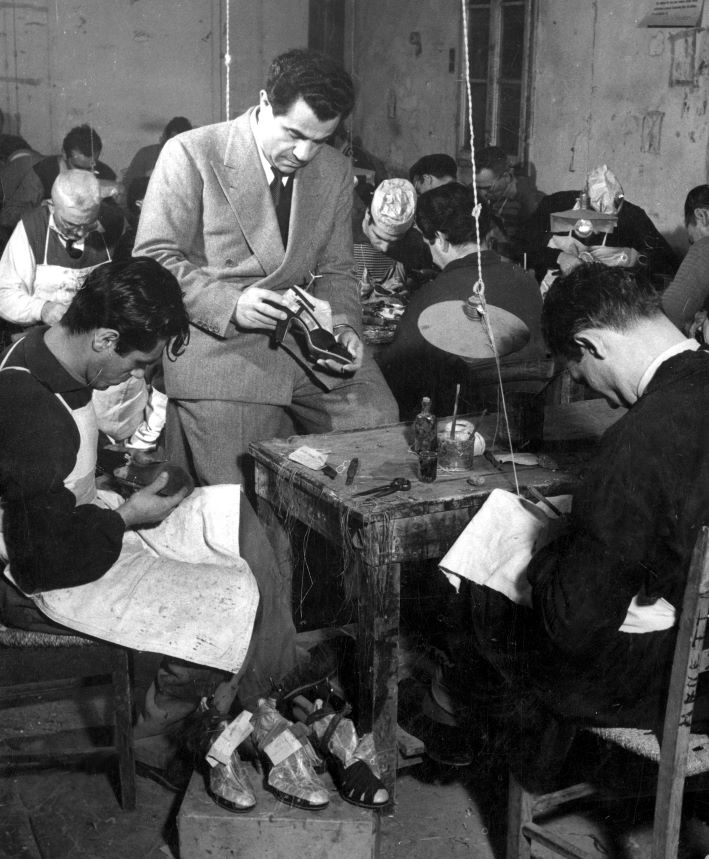
Leonardo Ferragamo’s father Salvatore Ferragamo: “By working with the artisans he had known in his early days and exporting to America he was the pioneer of Made in Italy in fashion.”

Leonardo Ferragamo: “Between shoes, lasts, designs, buttons and so forth the archive has 15,000 different pieces, and with the support of Fiamma was turned into a very active museum.”
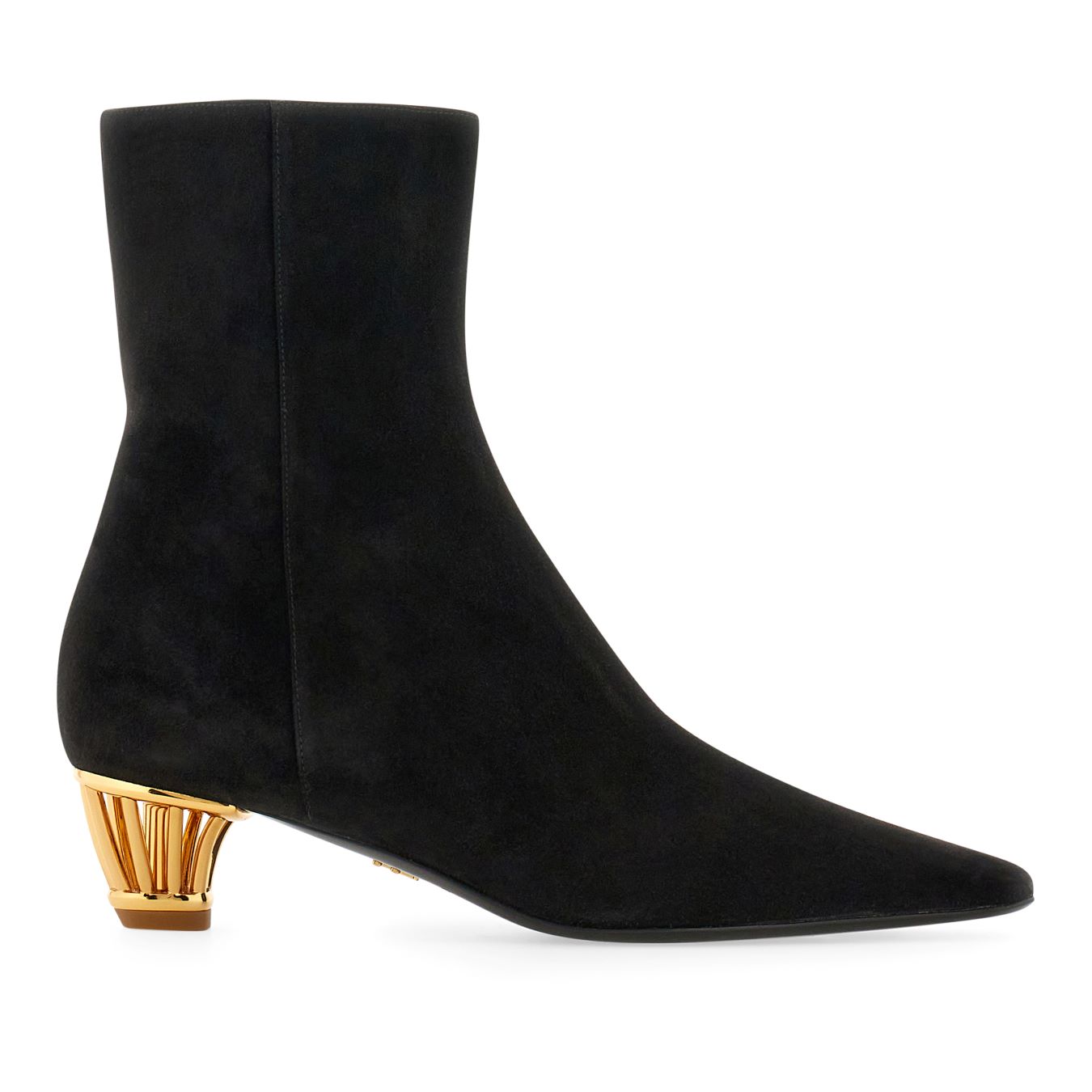
Leonardo Ferragamo: “Another shoe has a heel coming from one of my father’s patents called a cage heel, because it’s a heel made of strings of metal that support the shoe.”
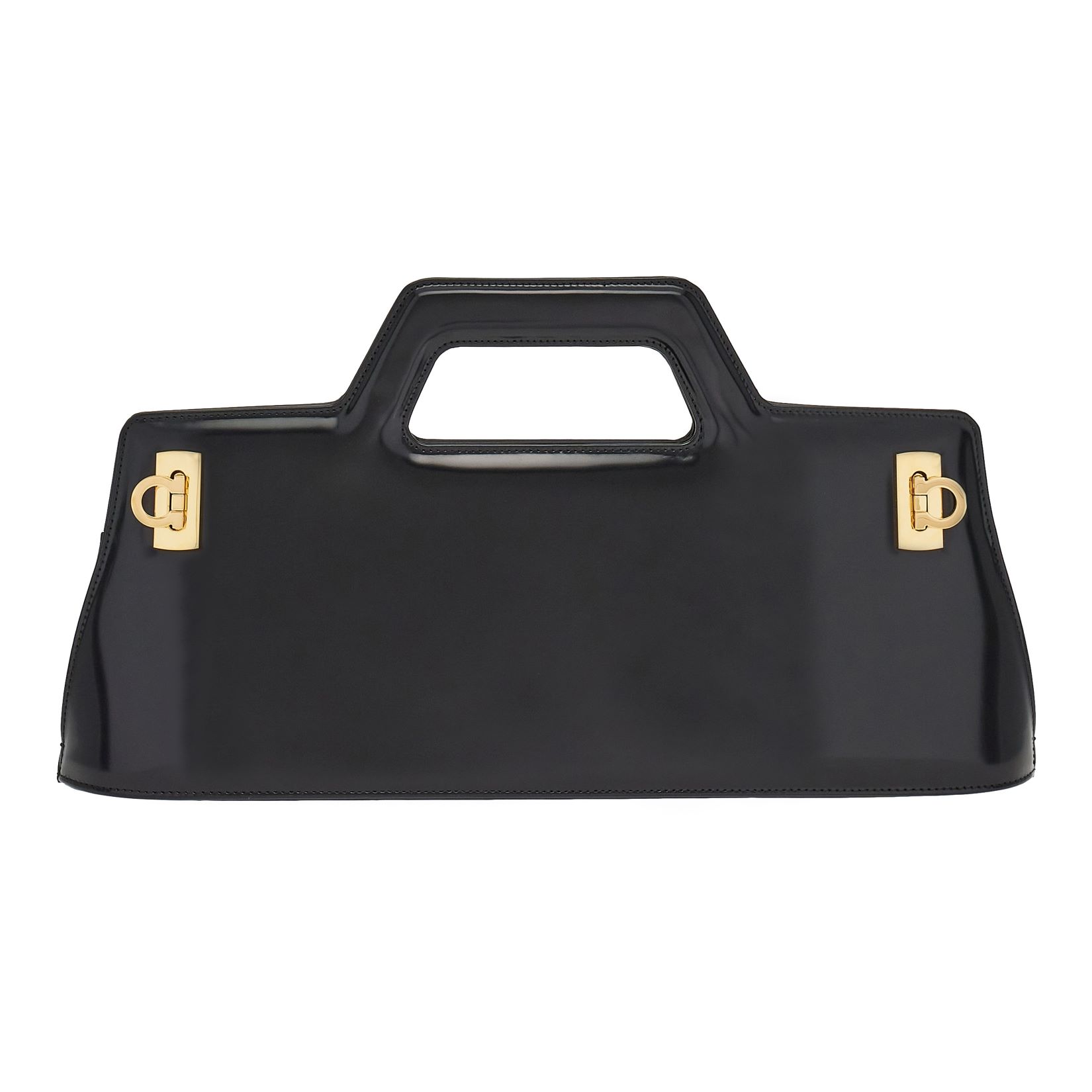
Leonardo Ferragamo: “Maximilian Davis changed the shapes a lot, and all of a sudden a very classic bag named Wanda became very cool and exciting.”
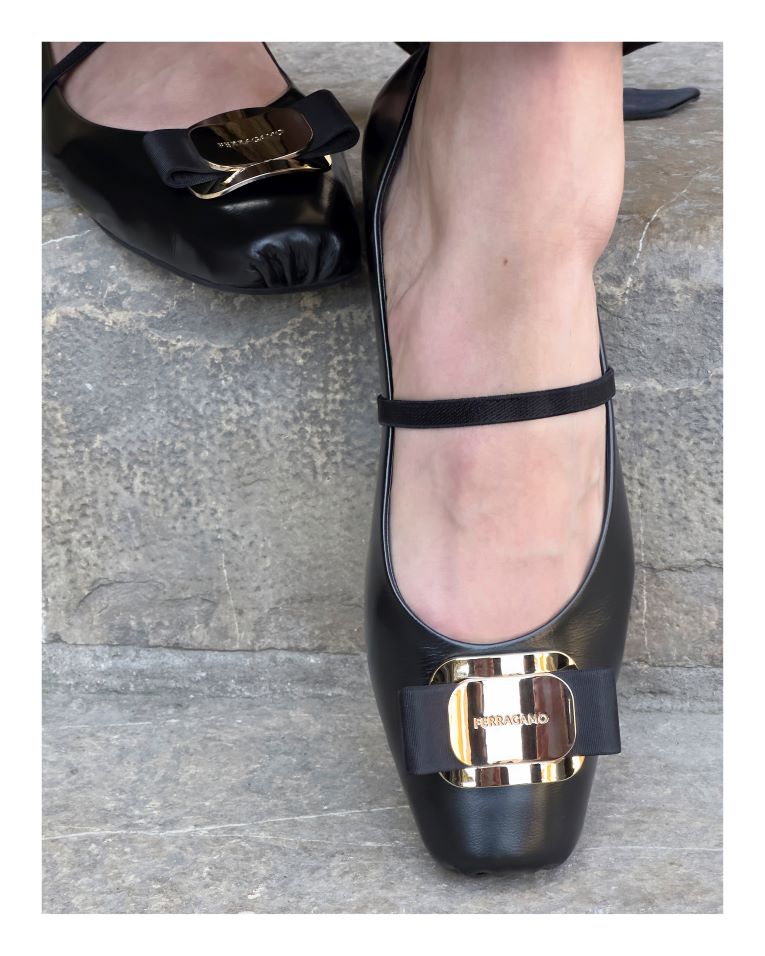
Leonardo Ferragamo: “The famous Ferragamo Vara bow which was the Ballerina has been redesigned, as beautiful as ever before.”
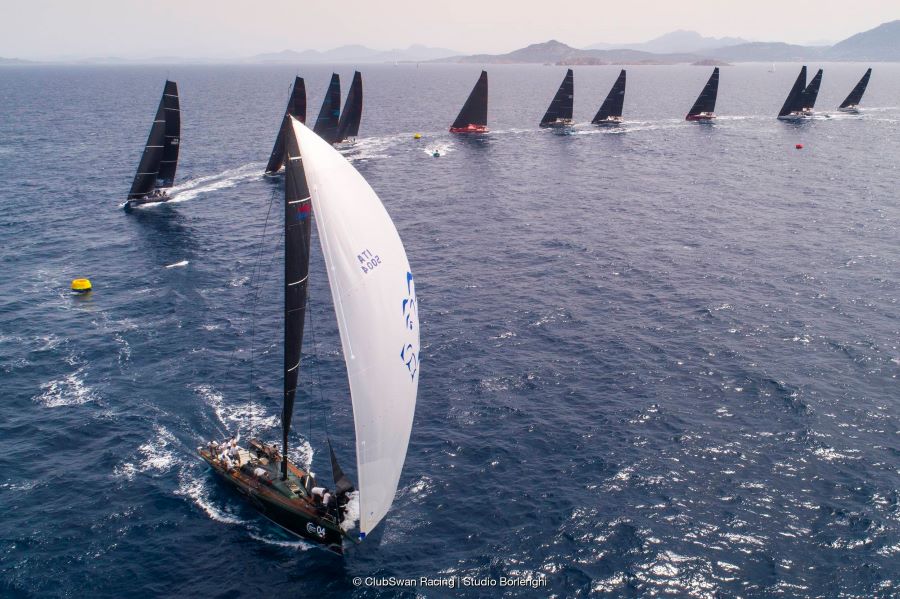
Leonardo Ferragamo: “We have a large number of members of ClubSwan, a community to whom we try to give benefit on an ongoing basis.”
“You have to know what you’re going towards, what can happen to you, and you have to be aware of the unexpected things that can happen, and when they happen be prepared how to face them and not be scared because they are happening.”
Leonardo Ferragamo, have you also created a new family with ClubSwan?
ClubSwan was one of the first things I did when I bought the yard, because at that time about 1600 Swans were already built and before we started thinking of new customers I wanted to make sure to take the maximum care of the ones that already believed in the Swan yacht. We started to get all the names and addresses and put them together in a virtual club who we wanted to give services and technical assistance, as well as sailing events, which already existed but we wanted to bring it to another level. We wanted, as much as we could, to give them privileges. This is what ClubSwan was founded on. It is a driving force to create a community from the Swan owners, but also to get – under a different category of membership – their dear friends, the people they enjoy sailing with, or people that are just passionate about the values that Swan want to bring to the world. We have a large number of members, a community to whom we try to give benefit on an ongoing basis.
Is competition essential for you?
Sailing is a lovely gym for your other life, and competition boosts this gym because sailing is such a complete sport. It is about technology. It is aero and hydro dynamics at the same time. It is about performance. Depending on what boat you are sailing it is about some physical strength, and it is very much about the human dimension, guiding the crew – who you have to live with. This forces you to get the best from every one of your crew, because you cannot usually dispose of them when you are sailing. It is a continuous mental exercise to become competitive, not just about the will to win. You have to really work and plan it. It is about meteorology, about wind condition, and about tactics and strategy at the same time. You can live for a race and the outcome, but you have to be ready to forget about the strategy and use a tactic to move fast and unexpectedly. It pushes you to take a decision impossibly fast. And you need courage. You have to fear the sea but not be afraid. Again, it’s about mental preparation. You have to know what you’re going towards, what can happen to you, and you have to be aware of the unexpected things that can happen, and when they happen be prepared how to face them and not be scared because they are happening.
Do your children follow your passion for sailing?
They all sail, and we have had some of the best moments in our life with our summer holidays on Solleone, which was my sailing boat. They love racing and I still race actively, but I only have about five races in a year. I try to follow the company as much as I can, which I really enjoy doing. Not that I’m a designer myself, but I follow the process of designing the yachts very carefully and it is the part that I enjoy the most.
Does being very attentive to details make all the difference?
I don’t think I’m as careful about the details as much as I should be. I appreciate them and am very attentive to the details, and I give them a lot of importance, but when I go for a design I try to concentrate more on the overall of the project and leave the details to somebody that’s very professional and an expert. Like when I do an apartment or a home or a hotel, I look very much at the overall architectural structure and rely on somebody that is very good to put in the interior decoration.
If your name was not Ferragamo would you have been an architect?
I consider myself a missed architect for sure. When there is a construction going on, whether it is a house, a hotel or a boat or other things, I get an adrenaline level which is higher than usual.
How many family members work in in the Ferragamo company today?
Directly or indirectly everybody loves the company and are involved with it and keep track of what is happening. Of the new generation, Ferruccio is chairman of Ferragamo Finanziaria S.p.A., the holding company that controls the Salvatore Ferragamo Group. My sister Giovanna is present and so is Massimo, who is chairman of America. We also have three of the new generation in Ferragamo and others that are present in the board. All in all, nine of us are more actively involved.
You said that one has to cross the river and look forward. How do you look forward?
The task that we as a family have is to create the proper transition for the new generation. That means working with Ferragamo, but also the hotels and the real estate, so that there is a strong, reliable organisation handling this, but leaving space for the entrepreneur initiative which needs to come from the family. Our desire is to create all the conditions so that the new generation can come in and have a proper course, over time, so that they become knowledgeable about the business. Because if you keep control over an activity, you have to make really sure that you know more about it than anybody else that is working for you.
Today are you proud and happy about your father’s decision to come back to Italy and have your family heart and headquarters in Florence?
I am proud, privileged and thankful to him for this. It would have been such an easier solution for him to continue on the path of being in America, where he found success that he had never dreamt of as a young boy. He was 29 when he decided to come back to Italy, and can you imagine the temptation, living in the Hollywood world, being friends of actors and actresses of the time, being overwhelmed by the growing business? The courage that he had in following a vision that came from his mind but also his heart, and going back to his roots. His roots is what really drove him all along his life. It was not by chance that he found my mother when he was 41 and she was 17 years old, and after having had the most beautiful ladies as his clients. Going back to Bonito, the same village where he was born, just 4000 people were living there at the time. Finding my mother and falling in love and deciding to marry her two minutes after he had met her. He was back to his roots.
Thank you Leonardo Ferragamo for this interview.
ENJOY THIS INTERVIEW? SHARE IT WITH A FRIEND.