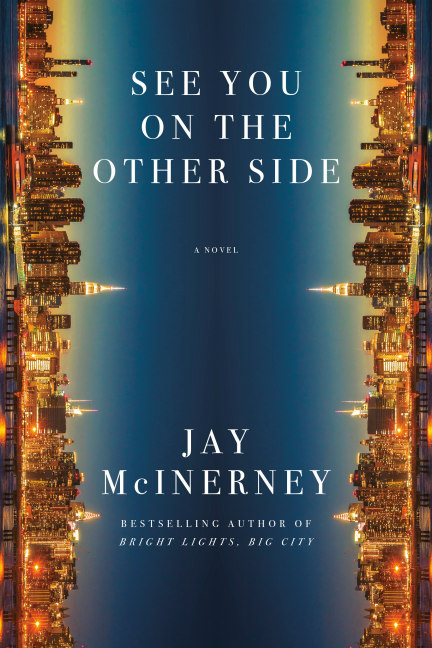
COVID REFLECTIONS. Jay McInerney is a well-known American writer, one of the most gifted of his generation. Novelist, screenwriter and wine connoisseur, McInerney recently published See You on the Other Side, the eagerly anticipated final volume of his stunningly accomplished and profoundly affecting fictional tetralogy: Brightness Falls, The Good Life, and Bright Precious Days.
20 minutes read time.
You can listen to the podcast of this interview here.
Jay McInerney, born in 1955, as a boy you lived in Japan. When did you come to New York City?
I arrived here from Japan in the fall of 1979, and I’ve been here ever since. One long time. Many, many years.
Why did you set See You on the Other Side in Harlem at the time of COVID?
It was such a major event. It affected all of us, and I felt like I really ought to write about life during that time. The book starts in March 2020, right before everything in New York closes down. It starts with a party where everyone’s already nervous and worried about the virus. Then, a few days later, restaurants and everything else closed, and all the things that make New York, New York are suddenly gone. People are confined to their apartments, everyone is scared, and people start dying. I’m sure we all remember this relatively recent catastrophe.
“The stories that I’m interested in ultimately are the personal ones.”
Jay McInerney, were you in the City during COVID?
I spent most of my time in Long Island, because everything that I loved about New York had closed down. There were no restaurants, no parties, no gallery openings, no movie premieres, and at least we can walk in the Hamptons. The City really became just a city of architecture rather than of people, and that was sad. I got COVID in November, so I was only in the city for that period while I had COVID, because I didn’t want to give it to anybody else.
Set during COVID, is your book actually more the story of people and their human feelings within this big picture?
The stories that I’m interested in ultimately are the personal ones. I don’t just want to write about COVID, I want to write about the people who experienced this moment and their relationships and their marriages and their relationships to their children. Those are the things that interest me the most, but they take place in a world that’s affected by the large events. I wanted the book to take place in the City, because having them flee to the country would make the book even less interesting.
The very interesting book is the story of Russell and Corrine Calloway, a couple in their sixties navigating a new chapter: downsizing from their Harlem brownstone to a penthouse in the Village, grieving the death of Corrine’s mother, and all the while facing the encroaching anxieties of aging, memory, and cultural obsolescence. At a party at the Odeon restaurant Corrine is infected with the coronavirus. Are these real people or just characters?
They are fictional characters, but all of these people are to some extent based on my observations and experiences. I’ve been writing about them a long time, so to me they have a life of their own.
In their marriage, Corrine and Russell are not completely faithful to one another?
It wouldn’t be a very interesting marriage if it was perfect. He’s contemplating an affair, but he never actually has the affair. He almost does, but an accident prevents him.
Jeremy and Storey are their children, and Storey opens a restaurant in the moment when the COVID starts, so it’s a disaster.
She unfortunately opens a restaurant just before COVID happens, and of course she has to close it just as it’s beginning. Jeremy is working as a volunteer on the Bernie Sanders 2020 campaign, trying to get Bernie Sanders elected president, which of course does not happen. They both live in Brooklyn. She’s very ambitious. He’s a little bit at a loss, undirected. But they live together in Brooklyn, which is where a lot of young New Yorkers have moved. Manhattan has become gentrified in the time that I started writing about it and an awful lot of younger people have moved next door to Brooklyn, as do Russell and Corrine’s children. Russell and Corrine are too old to move there. They like Manhattan. As do I.
Russell isn’t as worried as many people during COVID. Are you similar to Russell?
For me it was a little bit abstract until some of my friends got COVID and until eventually I got COVID. I have to admit it was not very bad. Russell is the kind of character that thinks you can’t live your life worrying about what bad things might happen next. He’s basically an optimist. His wife is the kind of person who does worry, and she’s correct in the sense that she’s one of the people who gets quite sick. There are many different degrees of COVID, including many people who died of the virus. It was a disaster that we all shared in around the world and it was very strange, and unlike some of the disasters I’ve written about before. September 11th was just a New York catastrophe, and the financial crisis of 2008 was to some extent centred in New York, but this was a worldwide catastrophe.
How long did it take you to write this book?
About two and a half years. I usually start writing about 9 o’clock in the morning, and I write for about four hours until lunch time. If things are going well, maybe I’ll write a little bit after lunch.
Do you create many drafts before giving your finished work to your agent or publisher?
Typically I do three drafts. When I start a book, I’m usually not sure how it’s going to end. I gradually write my way towards the ending, and, if I’m lucky, it will become clear to me while I’m writing. I had the idea to write a book on New York and COVID, and I had the characters already because these characters have appeared in previous books.
Like you, Russell is a wine connoisseur, but during COVID he starts drinking heavily?
Many people were drinking too much during COVID because of anxiety and because their work schedule was disrupted. Russell really appreciates his wine, it‘s one of the pleasures he has in life, one of the things he enjoys when he goes out to a restaurant in New York. I am writing to some extent about the world that I know. Obviously I hope it’s interesting to people who are outside that world to learn something about Russell and Corrine’s special world.
“The people who come here are ambitious and energetic and they come here because it’s the biggest stage in America that there is.”
Jay McInerney, in the book you mention the renowned publisher “Sonny” Mehta. Was he your publisher?
Yes, and he was the publisher of Knopf for almost 20 years, a long time. He died in 2020, so right before COVID Russell is thinking about attending his funeral. The publishing world is a relatively small world and everybody knows everybody else, so it’s natural that Russell, a publisher, would be friends with a figure like “Sonny” Mehta, who published such important and interesting work. Since I’m not a publisher I can’t tell you why he was so good, but he published wonderful writers for many, many years and had close relationships with a lot of his writers.
How much does the editor interfere in your novel once you have finished it?
I’ve had the same editor for many years until this book, Gary Fisketjon. We were very close friends, so it wasn’t really a case of interfering. He would sometimes have suggestions and he would sometimes have questions, and it was easy to work together. Gary always said to me, it’s your name on the book, so if we ever had a disagreement, which was not often, then I got the vote, not him. If I like something, it stays. That’s the way it is. It’s my book. It’s not his book. I’m the one who has to take responsibility. Usually we don’t have disagreements, so it’s not a problem. The editor is there to help, but he’s not there to write and he’s not there to change everything. My new editor is another old friend of mine named Erroll McDonald, and happily we worked well together.
Has New York changed a lot since you wrote your first bestseller, Bright Lights, Big City?
When I first came here there were a lot of bad neighbourhoods with very high crime and poverty and drug problems, and that’s not true anymore. Gentrification has happened, and more prosperous people moving to neighbourhoods that used to be marginal. That’s been the main change. Some people would say the City has gotten nicer and cleaner and more prosperous, and other people think it’s sad that this is no longer a place where young writers and poets and dancers can find a cheap apartment. There aren’t many cheap apartments anymore. The City also changed after COVID, because the restaurants don’t seem to be open as late. More people work from home, and I don’t think it’s quite as lively as it used to be. It’s still New York, it is still great, but it’s not quite the city that I moved to.
With less creativity in New York than when you were younger, is there now too much talk about money?
Yes, there’s a lot of that, maybe too much. Manhattan is not as creative as it used to be, but Brooklyn where many young people have gone is part of New York and it’s still the most interesting city in America. The people who come here are ambitious and energetic and they come here because it’s the biggest stage in America that there is, and they want to make a statement, they want to succeed. What makes New York so interesting is those people.
Are there too many distractions in a city like this for a person who needs quiet and who needs to write?
I’ve always been the kind of writer who loves to be in the City, but it’s true that sometimes I leave the City to do some amount of writing. I go to Long Island or Vermont. Yes, sometimes it is too distracting.
As an American writer and as a New Yorker, how do you feel about the new mayor Zohran Mamdani and more generally about what’s happening in the country?
Very different what’s happening with the mayor and the country. Trump is a disaster on every level. The strange thing is that Mamdami, our mayor, is leftist and the opposite of Trump. I don’t know yet whether he’s going to be good for the City or not. He’s got a lot of energy, but if he raises taxes too high he might drive people and businesses away from New York, which would not be good. It’s only his first 100 days, so it’s difficult to know yet what impact he’s going to have, but it is interesting that we elected a Democratic Socialist to be mayor, and also a Muslim. This has always been a very Jewish city and suddenly we have a Muslim mayor. I was surprised by all of that. Early in the election, I did not think he would win, but eventually it became clear that he would. It was especially young people who voted for him.
These young ambitious people that you mentioned before who came to New York in order to become something?
More like the children of those successful business people. In my novel, Storey and Jeremy might have voted for Mamdami. Some of the people from Queens and the Bronx, the less prosperous parts of New York, liked his idea of raising taxes on the wealthy and lowering the prices of rent. He said that he would address these problems. Whether he’s able to, we don’t know.
What do you, as an intellectual humanist who likes democracy, feel in today’s America?
I feel very alienated from the direction the country is going in under President Trump. He is dangerous, crazy, and he might be getting senile. I just hope the country can survive another two and a half years of Trump. It’s going to be difficult. He’s harming the image of our country and that’s tragic, but the reality is also bad, the Iran war. Religious people were supporting him up until now, but certainly Catholics have turned against him since his latest attack on the Pope, and I hope they continue to turn against him and that we can survive until he leaves office. It’s too soon to tell, but I certainly hope that he gets removed somehow. Even Republicans now seem to be worried about him. The midterm elections may be a wake-up for him, but even that is six months away. It’s a long time.
Do the important technology and Silicon Valley people still support him?
As long as they can make money, they’re still supporting him. It’s become clear that these people are mainly motivated by greed. No matter what they say, it’s all about the bottom line.
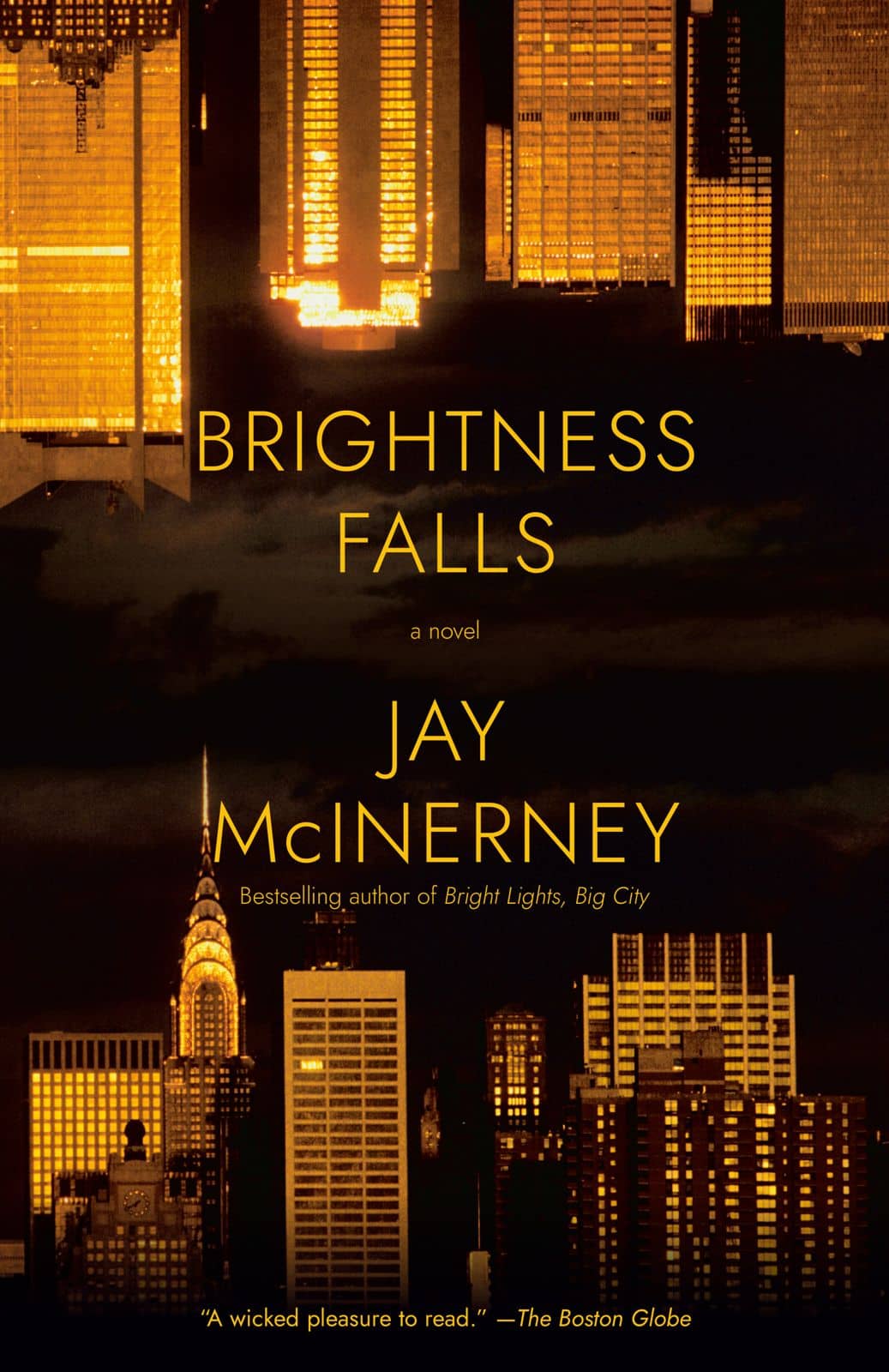
Brightness Falls is a 1992 novel written by Jay McInerney. His fourth novel, it tells of a couple named Russell and Corrine Calloway who meet in college.
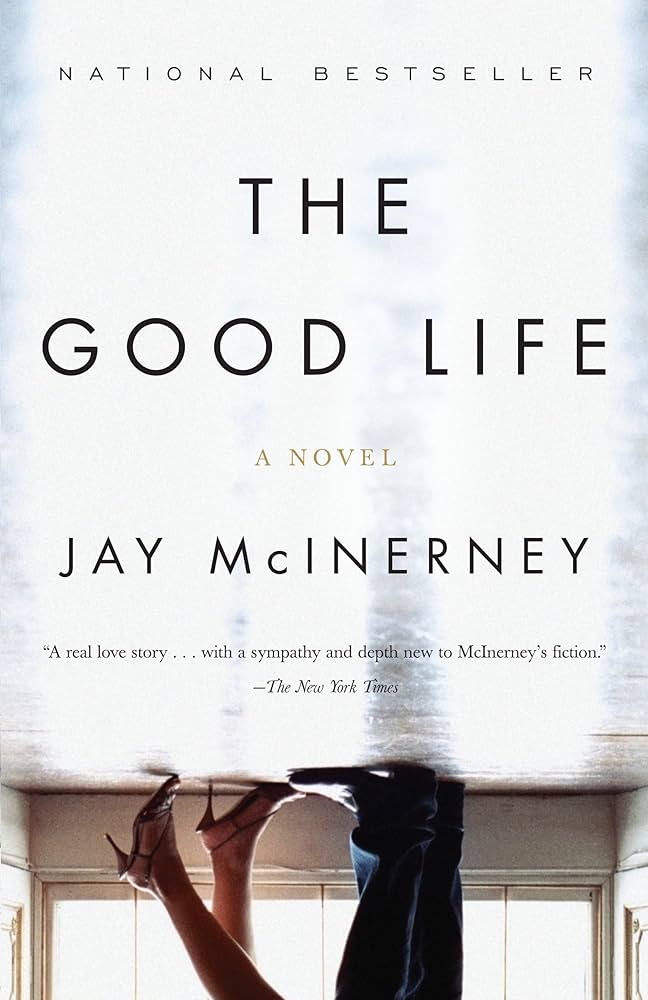
The Good Life is a 2006 novel by Jay McInerney. A sequel to Brightness Falls, it takes place immediately before, during, and after the events of September 11, 2001.
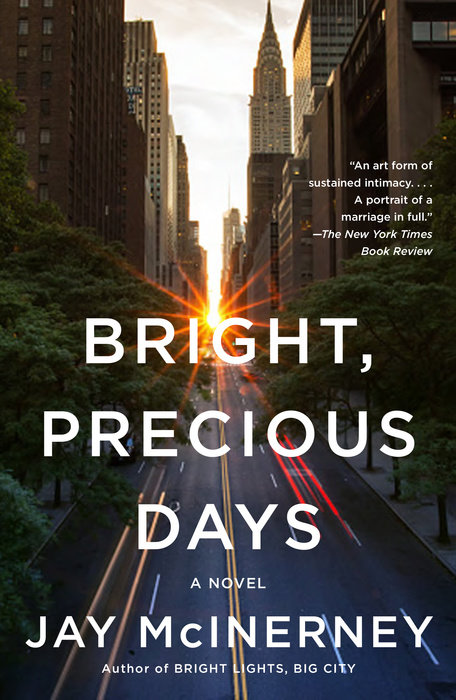
Bright, Precious Days is a 2016 novel by Jay McInerney. It is his third novel about Corrine and Russell Calloway, a couple who live on the Upper East Side of Manhattan. Like the previous two novels in the series, Bright, Precious Days is set against the backdrop of a historical event, in this case the Great Recession that occurred from late 2007 to mid-2009.
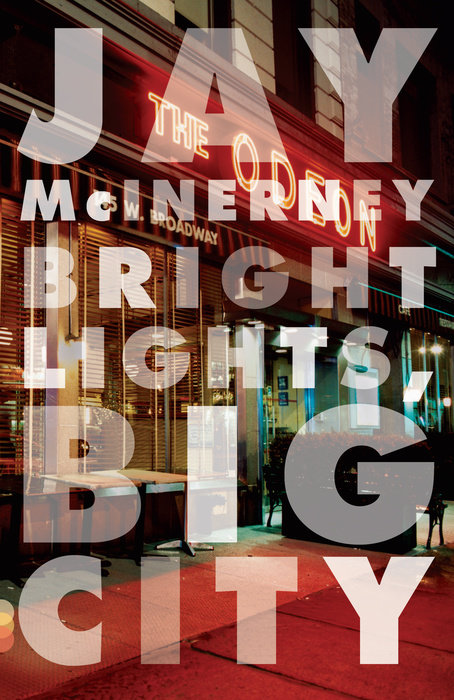
Bright Lights, Big City is a novel by American author Jay McInerney, published on August 12, 1984. It is written about a character’s time spent caught up in, and notably escaping from, the early 1980s New York City fast lane.
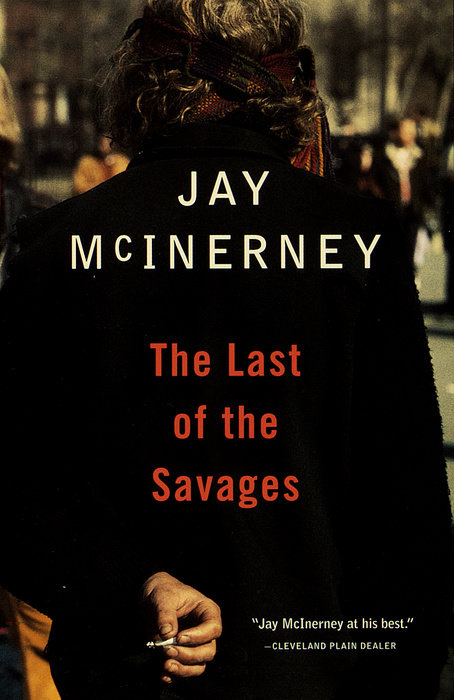
Published in 2010 and spanning three decades from the turbulent sixties to the nineties, Jay McInerney’s The Last of the Savages is a profound exploration of interracial love, music, family, honour, and friendship.
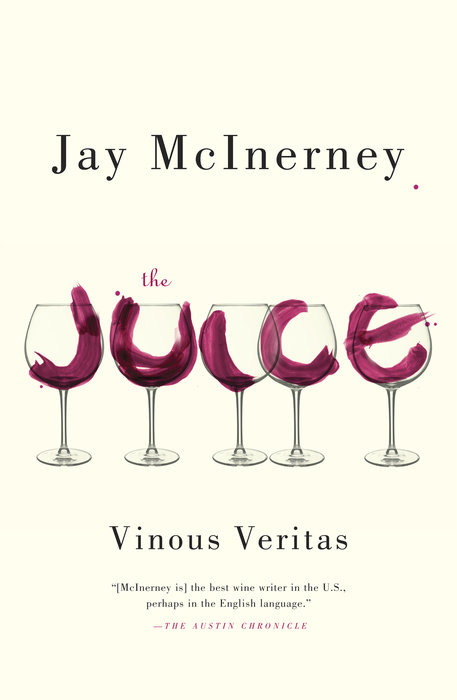
In The Juice: Vinous Veritas pieces originally published in House & Garden and The Wall Street Journal, McInerney provides a master class in the almost infinite varieties of wine and the people and places that produce it.
“There is something special about the voices of people in their 20s, which we need.”
Jay McInerney, what do you think about AI, the most discussed subject at the moment?
I don’t think about it much. AI will change the world, but I’m not young enough to witness that, and it will change writing. More and more people probably are going to use AI and that’s going to compromise the artistic process. I personally don’t know how to use it, but AI can mimic almost any writer, including me. It can imitate almost any voice, but I don’t think it can create an original voice, which is what a writer can do.
Is the position of a writer in America still a position of some influence and importance?
People are less interested than they were when I started. So many things have taken the place of fiction, particularly social media. These things are very distracting, particularly for younger people. I’m glad that I started my career when I did, because it was easier to be heard and read and listened to.
Would you like this book to become a movie?
This series of books would probably be more likely to be a streaming television series. There’s a lot of high-quality television nowadays. Some of it is more interesting and dramatic than so many movies now that are superheroes and big stories that are cartoons. There’s a lot of interest from TV people in this. I think it might become a series.
Did you encounter any new writers that will become the new writers of American fiction?
That’s Russell’s job, not really my job. My job is to be the writer, but I’ve met many younger writers over the years who I thought were promising, and sometimes I try to help them. There are still young people who are writing first and second novels, and that’s great. There is something special about the voices of people in their 20s, which we need.
You started writing young and were so successful that you made enough money to have been able to be just a writer for the rest of your life. You didn’t have to get a job at the post office or become a banker?
No. Or teaching. Teaching is the usual job for American writers. I didn’t have to do that, no.
While writing fiction for so many years, was it a good idea also to write books about wine and something completely different?
Yes, it was. It’s good to have a change sometimes. There are some days when I’m struggling to write and think this is terrible, but, honestly, it’s the only thing that I can imagine myself doing. I like writing more than I would like anything else. It’s all I really want to do, and sometimes writing the non-fiction is refreshing. It gets me outside of my head, writing about wine or interviewing someone.
Did you always know that you would be a writer?
Yes, pretty much. I loved reading, I loved storytelling, The first writer that I was inspired by at a young age was Jack London, who wrote The Call of the Wild and White Fang, outdoor adventure stories. Even though he was a serious writer, he wrote about subjects that really could interest a young man like me when I was 12 or 13. Later I became very excited by the poetry of Dylan Thomas, who was the next writer that I remember really liking.
Touched by poetry, you didn’t become a poet?
Thankfully I decided not to be a poet because I would have a hard time living in Manhattan if I was a poet. I wrote poetry for quite a number of years, and then discovered James Joyce and decided I wanted to write fiction. What was so interesting about Joyce was his extraordinary use of language and his use of many different modes of storytelling. Ulysses is like a textbook of different ways to tell a story.
Raymond Carver was an early mentor and teacher of yours. Is your writing style similar to his?
I wouldn’t say that my style is very similar to Carver’s because we really have quite different styles, but I certainly did learn from him. He was my teacher many years ago and I admire his work, but our subjects and our styles are very different. There are certain aspects of storytelling that are universal, telling a story with dialogue and descriptions, and certainly I learned a lot from him.
What did you learn?
Carver would go over my stories line by line, and he would say, you can convey this information without so many words. He didn’t like storytelling that was florid or fancy. He believed in direct expression. He taught me to say what I wanted to say and to not try to trick the reader or embellish the story with unnecessary flourishes.
That’s why you and a few other writers like Bret Ellis were called minimalists?
They sometimes called us that, I’m not sure if it’s true. It was kind of a moment. But it’s not my job to find a label. That’s the job of the critics.
Jay McInerney, thank you very much.
ENJOY THIS INTERVIEW? SHARE IT WITH A FRIEND.